
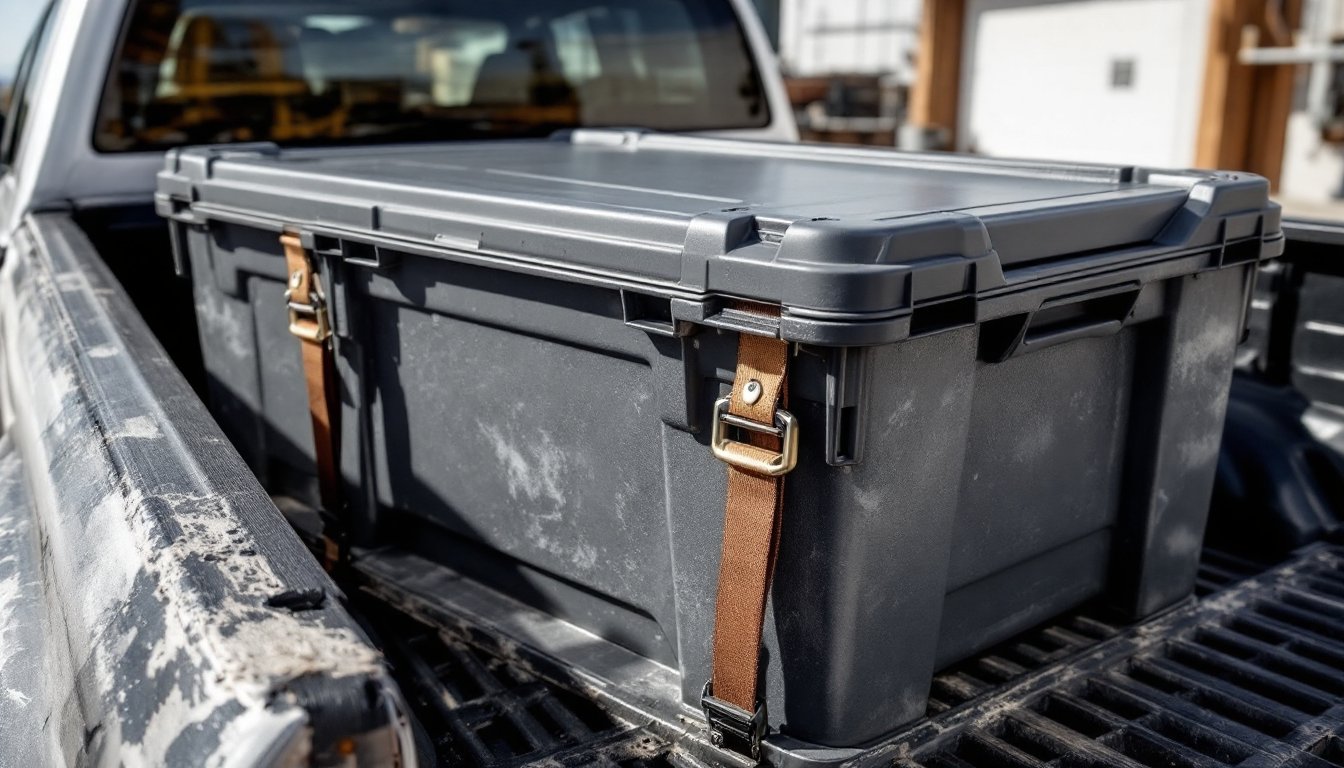
The Ultimate Guide to Truck Bed Storage Totes: Maximize Space and Protect Your Gear in 2026

A truck bed is valuable real estate, but it’s also exposed. Tools shift, weather beats them up, and valuable equipment gets lost in the clutter. A truck bed storage tote solves that problem by keeping gear organized, dry, and secure in one place. Whether hauling work equipment, camping gear, or weekend supplies, the right storage tote transforms a chaotic truck bed into an organized system. This guide breaks down what to look for, how to maximize efficiency, and which use cases benefit most from proper storage solutions.
Key Takeaways
- A truck bed storage tote protects gear from weather, theft, and damage while keeping your truck bed organized and maximizing usable space.
- Choose totes made from durable materials like HDPE or rotationally molded plastic with quality rubber or silicone gaskets to ensure weather resistance and prevent water damage.
- Measure your truck bed first and select the right size—compact underbody boxes preserve hauling space, while full-width totes maximize capacity.
- Organize items by category inside your truck bed storage tote, label everything, and keep frequently accessed items near the front for quick retrieval.
- Secure the tote with bed tie-downs or ratchet straps to prevent sliding during turns, and clean gaskets periodically to maintain the seal.
What Is a Truck Bed Storage Tote and Why You Need One
A truck bed storage tote is a lockable container designed to fit in a pickup bed, protecting contents from weather, theft, and damage. Unlike loose boxes or tarps, totes are engineered for vehicles, they’re anchored or designed to resist shifting during drives, and they seal against rain and dust. They range from small underbody boxes that sit flush with the bed rails to full-length totes that span the entire bed width.
You need one if you haul gear regularly. Work tools, camping equipment, and outdoor supplies get battered by sun, rain, and rough roads. A sealed tote keeps moisture out and prevents rust on metal tools. Locking mechanisms deter theft, critical if you’re leaving expensive equipment unattended. For weekend warriors and trade pros alike, a tote cuts setup and breakdown time: everything stays packed and organized instead of scattered across the bed. It also maximizes usable truck space by stacking efficiently and leaving headroom for taller cargo.
Key Features to Look For When Choosing a Storage Tote
Not all storage totes are created equal. The wrong choice wastes money and leaves gear exposed.
Material Durability and Weather Resistance
Look for high-density polyethylene (HDPE) or rotationally molded plastic, these materials resist UV degradation, won’t crack in freezing temperatures, and shed water. Avoid thin plastic that flexes under load: it warps and loses its seal over time. Check the gasket quality: a quality rubber or silicone gasket around the lid is the difference between dry gear and water damage. Aluminum or steel exterior reinforcements add durability on edges where the tote takes impacts. Test the seal yourself, fill it with water and let it sit for an hour. If water leaks, move on.
Corrosion resistance matters too. If storing metal tools, ensure the interior isn’t lined with materials that trap moisture. Powder-coated steel frames resist rust better than bare metal, though they add weight.
Size and Capacity Considerations
Measure your truck bed first. Standard full-size beds are roughly 60 inches long and 52 inches wide (inner dimensions vary). A tote that’s too large won’t fit: one that’s too small wastes the opportunity. Consider how you’ll use it: compact underbody boxes (often 18–24 inches wide) slide under wheel wells, leaving the bed open for longer cargo. Full-width totes (48–52 inches) maximize capacity but limit what else you can haul.
Capacity specs matter less than internal layout. A 100-liter tote with one big compartment is less useful than a 60-liter tote with dividers. If you’re storing mixed tools and small parts, choose one with adjustable shelves or compartments. Weight capacity, how much the tote can hold safely, is typically 75–150 pounds for passenger-truck totes. Don’t exceed it: an overloaded tote stresses hinges and reduces the seal.
Organization and Accessibility Tips for Maximum Efficiency
A full tote is useless if you can’t find anything. Organize strategically from the start.
Group items by category: hand tools together, fasteners in one corner, safety gear in another. Use drawer organizers or small bins inside the tote to subdivide space and prevent shifting. Label everything, a paint marker on bins or a label maker saves hunting time. Store heavy items on the bottom to lower the center of gravity and reduce tipping when lifting the tote.
Keep frequently accessed items near the front or in a secondary shallow tote. Don’t bury essentials under seasonal gear. A loose inventory list, even just a photo of the packed tote, helps you remember what’s inside and spot what’s missing.
Secure the tote itself. Use bed tie-downs or ratchet straps rated for the tote’s weight to prevent sliding during hard braking or turns. Some totes have pre-drilled holes for bolting down: if yours doesn’t, straps through the handles work fine. A tote sliding around the bed during a turn is a safety hazard and can damage cargo.
Rotate and clean periodically. Dust collects inside, and moisture can still find its way in. Open the tote on dry days, wipe down interior surfaces, and let air circulate. Check gaskets for debris or cracks every few months.
Top Use Cases for Truck Bed Storage Totes
Different uses demand different tote sizes and features.
Trade and Construction: Contractors benefit from split-compartment totes that separate hand tools from power tool accessories and materials. A lockable tote keeps tools secure overnight on the job site. Magnetic hooks on the exterior hold hammers or levels.
Camping and Outdoor Gear: Waterproof totes protect sleeping bags, coolers, and gear from rain and dust on rough forest roads. A medium-capacity tote (40–60 liters) fits camping stoves, first aid, and food in one organized package. Pop it out at the campsite and you’ve got your entire base camp setup.
Off-Road and Adventure: Serious off-roaders use rugged totes to store recovery gear, spare parts, and emergency supplies. Vibration-resistant totes prevent tools from rattling loose over washboard roads. Quick access is critical, so mounting the tote on an external rack, visible and reachable, beats burying it under other gear.
Daily Driver Organization: Even if you don’t haul cargo regularly, a small tote keeps jumper cables, tire plugs, flashlights, and emergency supplies in one spot. Keeps the bed clean and prevents small items from rolling around or getting rained on.
Boat and Trailer Storage: Totes on a trailer bed or in a boat anchor compartment keep dock supplies, maintenance tools, and spare hardware protected and organized. Marine-grade or UV-resistant models are worth the extra cost near saltwater.
Conclusion
A truck bed storage tote is a straightforward investment that pays dividends in organization, protection, and efficiency. Choose one with durable materials, appropriate size, and secure locking mechanisms. Keep it organized and anchored, and it’ll serve reliably for years. Whether you’re a trade pro, weekend camper, or daily truck user, the right tote transforms your truck bed from chaotic to mission-ready.