Smart Pallet Storage Solutions for Modern Warehouses in 2026

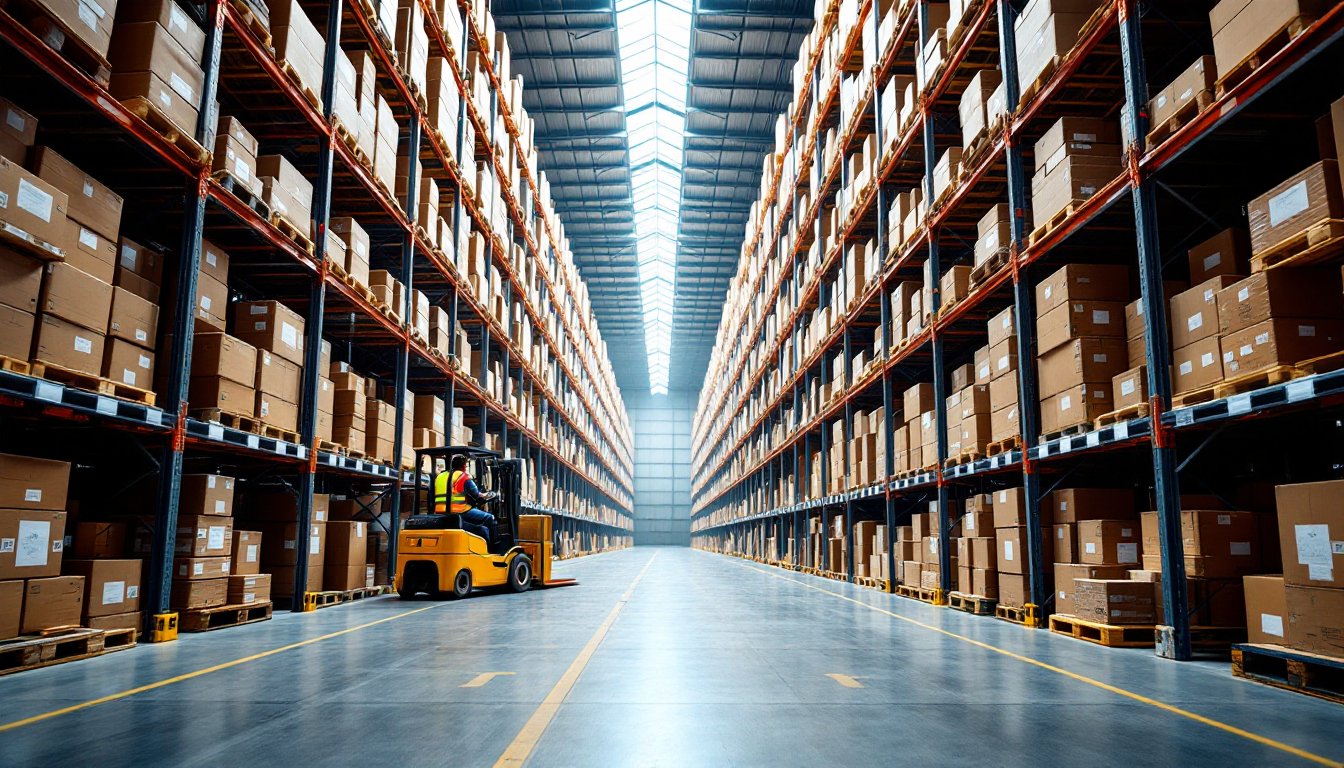
Warehouse managers and facility planners face an ongoing challenge: how to extract maximum storage capacity from limited floor space while keeping inventory accessible and safe. Pallet storage efficiency directly impacts operational costs, throughput, and profitability. In 2026, the right pallet storage solutions combine smart system selection, proven best practices, and emerging automation technologies. Whether a facility operates hundreds or thousands of pallets, understanding the landscape of pallet storage options, from selective racking to automated systems, is essential for staying competitive. This guide walks through the core decisions and strategies that transform warehouse storage from underperforming to optimized.
Key Takeaways
- Pallet storage efficiency directly impacts warehouse profitability by reducing floor space waste, labor costs, and inventory shrinkage—inefficient systems can cost thousands of dollars monthly in lost productivity.
- Selective racking offers high accessibility for frequent picking and variable inventory, while drive-in and push-back systems maximize density for slower-moving stock and when LIFO or FIFO discipline is prioritized.
- Standardizing pallet dimensions, establishing load weight limits, and utilizing vertical space up to 20+ feet are foundational best practices that significantly boost storage capacity per square foot.
- Regular inspections and maintenance of racking components prevent catastrophic failures and protect staff safety while ensuring OSHA and local fire code compliance.
- Modern pallet storage solutions combine appropriate racking systems with inventory management software, barcode/RFID tagging, and automation technology to optimize retrieval time, accuracy, and operational scalability without over-investing in capital equipment.
Why Pallet Storage Efficiency Matters for Your Bottom Line
Every square foot of warehouse space carries real cost. Whether owned or leased, floor space consumed by inefficient pallet storage eats into margins. Poor storage density forces facilities to expand operations prematurely, triggering capital expenditure for new buildings, equipment, or relocation, expenses that ripple through budgets for years.
Beyond footprint, inefficient systems slow inventory turnover. When pallets are buried or hard to reach, labor hours pile up during picking, replenishment, and cycle counts. A facility storing 100,000 pallet positions with 10-minute retrieval delays rather than 2-minute access loses thousands of dollars monthly in labor productivity.
Inventory accuracy suffers too. Disorganized storage breeds shrinkage, damaged goods, and blind spot inventory that sits untracked. Modern pallet racking systems provide clear, logical placement that supports real-time inventory counts and reduces loss.
Safety and compliance add another layer. Poorly designed or overloaded storage systems create liability. Building codes and OSHA standards require proper load ratings, aisle widths, and structural integrity. Investing in the right pallet storage solutions ensures regulatory compliance while protecting staff from injury.
Types of Pallet Racking Systems
Selective and Double-Deep Racking
Selective racking remains the industry standard for general warehouses. Each pallet is individually accessible from the aisle, a forklift driver can reach any SKU without moving others. This flexibility suits operations with frequent picking, many SKUs, or variable dwell times.
The trade-off: selective racking uses more aisle space. A typical arrangement with two rows of pallets and center aisle aisles consumes roughly 50% of floor space as access lanes.
Double-deep racking pairs two pallets back-to-back, halving aisle count and boosting density by 50% compared to selective systems. A specialized double-deep forklift or extendable handler reaches the rear pallet without a second vehicle move. Best suited for slower-moving inventory or facilities with dedicated pallet positions, double-deep works well when retrieval order is predictable.
Drive-In and Push-Back Systems
Drive-in racking lets forklifts enter the lane between rows and stack pallets several deep on each side. One entry/exit point per lane means last-in, first-out (LIFO) handling. A single lane can hold 5–10 pallets deep, significantly boosting density. Damage risk increases because the forklift operates inside the structure: careful operation and clear damage protocols are essential.
Push-back systems use wheeled carts on an incline. Each new pallet pushed onto the cart rolls others back slightly, creating deeper storage (typically 5–7 positions deep). First-in, first-out (FIFO) movement suits product freshness requirements like food or pharmaceuticals. Push-back requires less forklift skill than drive-in and reduces structural stress, though initial investment is higher than basic selective racking.
Each system has density, cost, and operational trade-offs. Selective works for high-velocity, high-variety operations: drive-in and push-back excel where density and LIFO/FIFO discipline matter more than random-access flexibility.
Best Practices for Maximizing Pallet Storage Space
Load Planning and Standardization
Consistent pallet dimensions and load heights are foundational. Most facilities standardize on 48″ × 40″ pallets (US standard), but confirming uniform dimensions across suppliers prevents gaps and inefficiency. If loads vary wildly in height, racking must accommodate the tallest, wasting headroom for others.
Establish maximum load weight and cube. A typical pallet racking beam rates 2,700–4,500 lbs per side, depending on span and material. Know your average loaded weight: overloading invites structural failure and liability.
Vertical Space Utilization
Warehouse ceiling height is a financial asset: use it. Most modern facilities operate 28–32 feet of clear height. Choosing racking systems that reach 20+ feet vertically triples or quadruples density compared to shallow storage. Double-deep or push-back systems paired with taller racks significantly boost pallet count per square foot.
Account for sprinkler clearance, roof structure, and lighting when calculating usable height. Consult local fire codes: some require 18 inches of clearance below sprinkler deflectors.
Aisle Configuration
Aisle width is a critical variable. Standard pallet racking aisles range from 8–10 feet for single-pallet-width forklifts, but narrow-aisle systems (as tight as 6–7 feet) exist with specialized equipment, cutting aisle space roughly 30%.
Cross-aisle placement matters too. A loop or perpendicular aisle layout can reduce travel time. Prioritizing high-velocity SKUs near shipping doors saves labor.
Regular Inspections and Maintenance
Racking systems absorb impact from forklifts, shifting pallets, and daily wear. Monthly inspections for bent beams, cracked welds, or misaligned uprights catch issues before they cascade. Replace damaged components promptly: a bent beam that looks minor can lead to uneven load distribution and catastrophic collapse under full load.
Technology and Automation in Pallet Management
Automation increasingly supplements or replaces manual pallet handling. Automated storage and retrieval systems (ASRS) use overhead cranes or mobile robotics to place and retrieve pallets with minimal human intervention. These systems excel in high-throughput, predictable environments, think e-commerce fulfillment or automotive distribution, where the speed and consistency justify the capital.
For mid-market facilities, inventory management software paired with barcode or RFID tagging on pallets provides real-time location data. Knowing exactly where each SKU sits reduces retrieval time and shrinkage. Modern warehouse management systems (WMS) integrate with racking layout data to suggest optimal pallet placement based on demand forecasts.
Mobile racking (aisle-shifting systems) condenses storage by moving entire rows on electric rails. Aisles exist only where needed, freeing up 40–50% more floor space than fixed racking in the same footprint. The trade-off: higher equipment cost and slightly slower access.
Automation isn’t all-or-nothing. Hybrid approaches, selective racking for fast-movers, ASRS for bulk reserve stock, balance cost and performance. The key is matching technology to operation. A small, manual operation may see better ROI from a WMS and barcode labeling than a $2 million ASRS.
Conclusion
Pallet storage efficiency isn’t solved by racking type alone. The best facilities combine appropriate system selection, disciplined load planning, regular maintenance, and smart technology adoption. Selective racking suits flexibility: drive-in and push-back boost density. Software and automation layer on accuracy and speed. Every decision should tie back to operational reality: volume, velocity, SKU count, and budget. Start with an honest assessment of current performance, then build a storage strategy that scales with your business while protecting the bottom line.