How to Create the Perfect Wine Cellar: A Complete Storage Guide for 2026
Building a home wine cellar is one of those projects that looks intimidating until you break it down into manageable steps. Whether someone is storing a modest collection of 50 bottles or planning for hundreds, the fundamentals remain the same: temperature stability, humidity control, and proper organization. A wine cellar doesn’t require fancy architecture or a sprawling basement, a spare closet, under-stairs space, or even a dedicated corner can work. The key is understanding what wine needs to age gracefully and then engineering an environment that delivers it. This guide covers the essentials for creating a functional, practical cellar that protects bottles and makes them accessible for years to come.
Key Takeaways
- Stable temperature between 45°F and 65°F (ideally 55°F) is the most critical factor for cellar wine storage, as temperature fluctuations can cause cork failure and spoil bottles.
- Maintain 60–70% relative humidity to keep corks supple and prevent oxidation, using a hygrometer to monitor levels and a humidifier or dehumidifier as needed.
- Proper cellar wine storage protects investments by preventing heat, light, and fluctuating conditions from degrading wine flavor and structure, extending the life of your collection.
- Use horizontal racking systems to keep corks moist and bottles organized, with options ranging from affordable wooden racks to custom cabinetry depending on collection size.
- Keep the cellar dark by eliminating direct sunlight and using low-wattage LED lighting, as UV rays degrade wine faster than most other environmental factors.
- For modest collections under 100 bottles, a simple wine refrigerator is a cost-effective alternative to a dedicated cellar room, while larger collections benefit from climate control systems.
Why Proper Wine Storage Matters
Wine stored incorrectly can degrade rapidly. Heat, light, and fluctuating conditions break down the compounds that give wine its flavor and structure. A bottle left in a warm, sunny kitchen may taste flat or vinegary within months, even if it cost $100 or more.
Proper wine storage protects the cork seal, maintains bottle integrity, and slows the aging process to the intended pace. Red wines continue to develop complexity in cool, stable conditions. White wines and sparkling wines stay fresh longer when protected from heat and light. Even casual drinkers, people who pick up a bottle to enjoy next weekend, benefit from basic storage fundamentals: a dark closet beats a kitchen counter every time.
A cellar also simplifies inventory and serves the practical purpose of keeping bottles organized and accessible. Instead of hunting through kitchen cabinets, a dedicated space lets someone see the collection at a glance and track what’s worth aging and what’s ready to drink.
Essential Climate Control for Wine Cellars
Temperature Consistency and Ideal Ranges
The single most important factor in wine storage is temperature stability. Wine expands and contracts with temperature swings, and repeated fluctuations can push liquid past the cork, allowing air in and spoiling the bottle. The ideal temperature for long-term storage is 45°F to 65°F, with 55°F being the gold standard for most wines.
The range matters less than the stability. A cellar that holds steady at 60°F is far better than one that swings between 50°F and 70°F. Even a 5–10°F swing per day can cause cork failure over time.
For most home cellars, a split-unit wine cooler or ductless mini-split system handles this without requiring a separate compressor unit outside. These are quieter and more affordable than traditional HVAC retrofits, and they consume less energy than window units. A 2,000–3,000 BTU cooler is suitable for 100–200 bottles: larger collections need proportionally more capacity.
If the space naturally stays within the 55°F range (many basements do in cooler climates), passive cooling may work. But, basements near furnaces, water heaters, or exterior walls facing summer sun will need active cooling. Install a reliable digital thermometer with a high-low alarm so the homeowner knows immediately if temperature swings occur.
Humidity and Light Management
Wine corks need humidity to stay supple. If humidity drops below 50%, corks dry out and shrink, allowing oxygen to seep in and spoil the wine. Conversely, humidity above 80% encourages mold on labels and bottle capsules (cosmetic, but annoying).
Target 60–70% relative humidity for a balanced cellar. A hygrometer (humidity meter) is cheap insurance: place one in the cellar and check it weekly. If humidity is too low, a small humidifier ($30–80) resolves it. If it’s too high, improve air circulation with a quiet fan or install a small dehumidifier sized to the space, a 30–50 pint-per-day capacity handles most residential cellars.
Light is wine’s enemy. UV rays degrade wine faster than nearly anything else, which is why wines age in dark bottles. Keep the cellar free from direct sunlight and use low-wattage, temperature-neutral LED lighting (avoid incandescent, which generates heat). If the space has a window, cover it or opt for a windowless room.
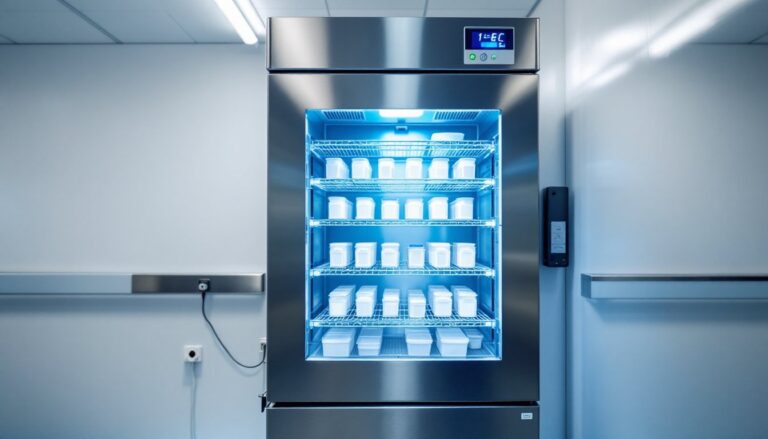
Large collections benefit from a temperature and humidity control system (often sold as a single unit), which maintains both simultaneously. Brands like WhisperKool, Wine-Mate, and Cellarcool offer reliable options ranging from $800–$3,000 depending on capacity. For smaller, casual collections under 100 bottles, a simple wine refrigerator ($400–$1,500) does the job and looks polished in a living space.
Organizing and Displaying Your Collection
Once the environment is stable, organization becomes straightforward. The layout depends on available space and the size of the collection.
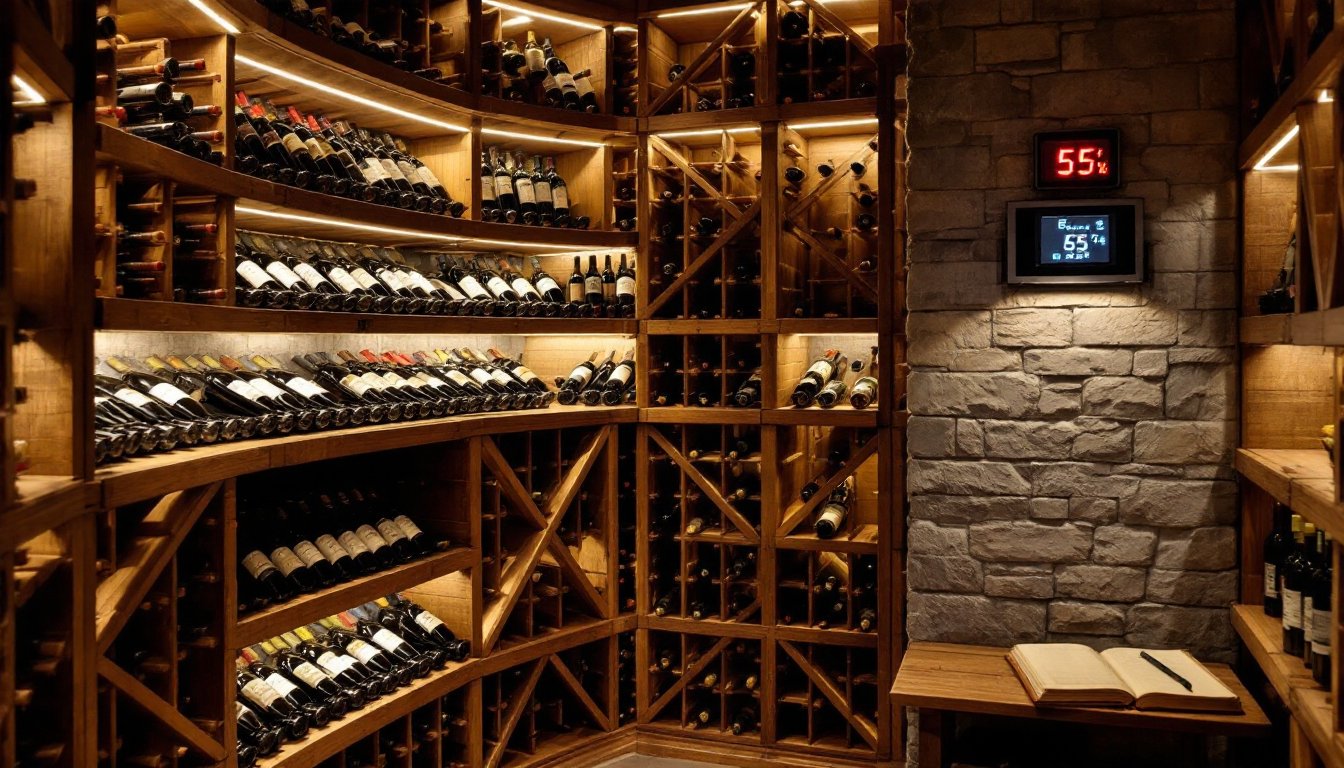
Racking systems are the backbone of any cellar. Horizontal racks hold bottles at a slight angle, keeping the cork moist and making labels easy to read. Options include wooden wine racks (classic, affordable, easy to build or buy for $100–$400), metal modular shelving ($200–$800), or custom-built cabinetry ($1,000+). Wooden racks age gracefully: metal is more durable in high-humidity environments. DIYers can build simple wooden racks from 2×4 studs and cross-drilled hardwood dowels in an afternoon.
Arrange bottles by region, varietal, or drinking window (whites and sparklings separate from reds, with lighter reds grouped by age). Use a small notebook or spreadsheet to log the collection: vintage, producer, purchase price, and tasting notes. Apps like Vivino or CellarTracker (free and paid versions) make tracking digital and searchable.
Lighting in the storage area should be minimal and low-heat. LED strips on shelving provide just enough light to read labels without warming the space. If the cellar sits near the main living area, consider glass doors on wooden cabinetry so the collection is visible but protected. Polycarbonate or glass provides light filtering without adding heat.
Accessibility matters. Place frequently opened bottles, everyday drinkers, at eye level or on front racks. Reserve deep or hard-to-reach shelves for rare bottles being held long-term. This reduces foot traffic and temperature fluctuations around premium inventory.
For small collections (under 50 bottles), a single-zone wine refrigerator under a bar or in a kitchen works perfectly and saves the cost and space of a dedicated cellar. For 100+ bottles, a dedicated cellar room or closet justifies the investment in climate control infrastructure.
Conclusion
Creating a functional wine cellar boils down to three priorities: stable cool temperature, balanced humidity, and darkness. The upfront work, measuring the space, installing cooling, and building racks, pays dividends over years of proper storage. Start simple if the budget or space is tight: a wine fridge in a closet works as well as a fancy built-in cellar for modest collections. The goal is protecting what someone owns and enjoying it at its best. With these fundamentals in place, the bottles will age as intended, and the collection becomes an asset worth revisiting.