Clear Stackable Storage Bins With Open Fronts: The Ultimate Organization Solution for 2026

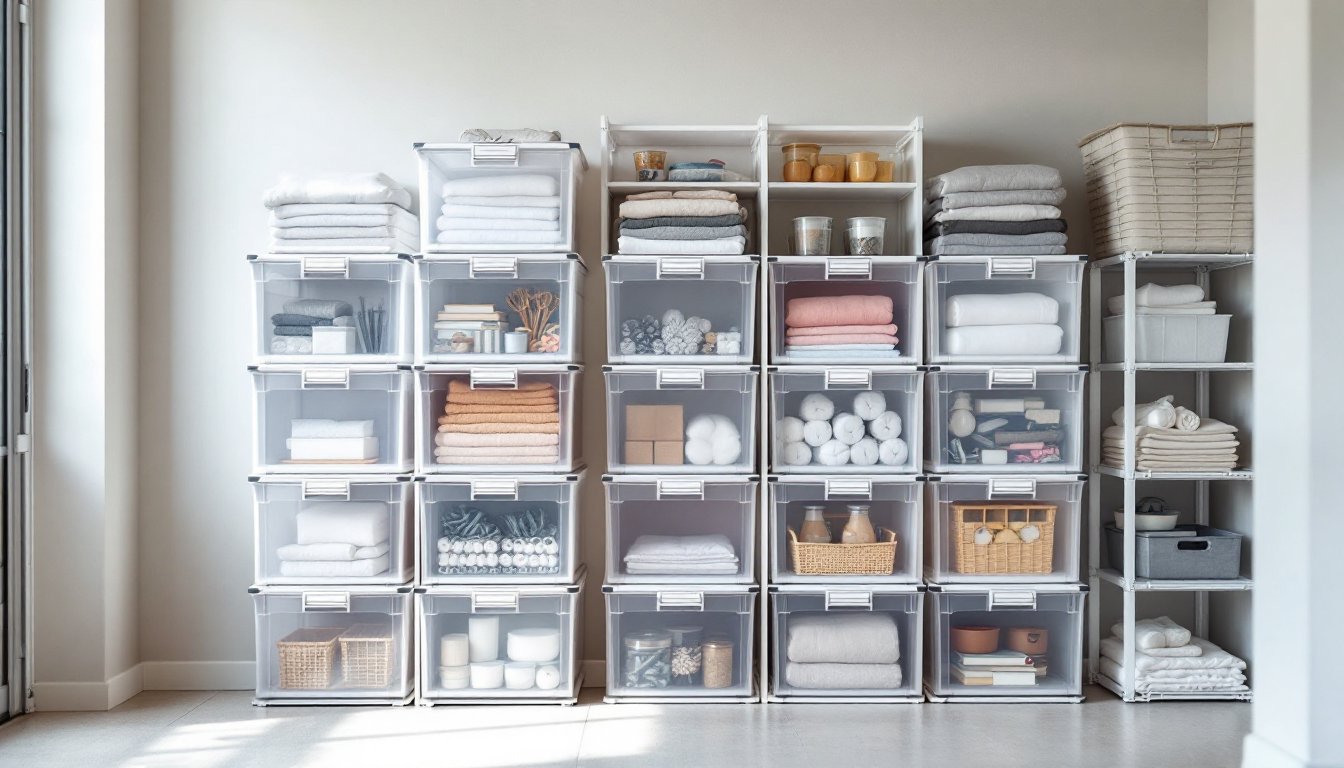
Clutter sneaks up fast. Between seasonal gear, craft supplies, and the random gadgets that pile up, even organized people find themselves drowning in stuff. That’s where clear stackable storage bins with open fronts come in, they’re a no-nonsense way to see what’s inside, grab what’s needed, and keep everything off the floor. Unlike traditional closed-lid containers that hide their contents until you open them, open-front bins let anyone in the household spot items at a glance. For garages, closets, pantries, and craft rooms, these solutions cut search time and make organization actually stick. This guide walks through why they work, how to pick the right ones, and where they belong in different rooms.
Key Takeaways
- Clear stackable storage bins with open fronts eliminate hidden inventory by letting you see exactly what you have, reducing duplicate purchases and search time in garages, closets, and pantries.
- Stackable designs multiply storage capacity by using vertical space efficiently—a 4-foot closet wall can hold eight bins stacked two high instead of just three side-by-side.
- Durable, transparent polypropylene or polystyrene bins last years longer than cardboard, resist warping and UV damage, and are lightweight enough for one person to move or safely stack.
- Choose uniform bin sizes and store frequently used items at waist to eye height, with heavier items on lower shelves and seasonal supplies stacked higher to prevent toppling and strain.
- Maintain clarity and longevity by labeling bins with specific content and location, wiping them regularly with mild soap, and storing away from direct sunlight to prevent yellowing.
- Open-front stackable storage bins encourage accountability and independence—family members can access what they need without asking, while visible inventory prevents waste and keeps organization systems actually maintained.
Why Open-Front Storage Bins Are Game Changers for Home Organization
Open-front storage bins solve a core problem: invisible inventory. A closed plastic container hidden on a high shelf might as well not exist, people forget what’s in it, buy duplicates, or waste time hunting through the garage. With clear sides and open fronts, the system becomes intuitive. Pull-out access means no digging through a stack or wrestling with lids. This matters most in busy households where speed counts: reaching for the exact bin needed beats excavating three others to find the right one.
The visibility factor extends to another real benefit: accountability. When family members can see that the craft supplies bin is full, they’re more likely to use what’s already there instead of making an impulse purchase. Kids can independently grab a specific toy bin without asking an adult. Pantry bins keep dried goods visible, which cuts food waste, you see what needs eating before it expires. The psychological shift from “hidden storage” to “accessible inventory” changes how households actually use the space they’ve organized.
Key Benefits of Clear Stackable Designs
Stackability is the multiplier that makes these bins practical. Vertical storage turns wasted wall and shelf space into organized capacity. A 4-foot closet wall that holds three bins side-by-side can hold eight bins stacked two high. That efficiency matters in small homes or apartments where square footage is tight.
Transparency isn’t just convenience, it’s a safety and inventory control feature. Parents see toy bins at a glance, so rotations and donations happen more naturally. Workshop storage becomes safer: you spot the full bin of screws, bolts, and fasteners without opening anything, reducing spills that create tripping hazards. The clear polypropylene or polystyrene shells also resist warping and UV damage better than cardboard alternatives, meaning the bins last years instead of months. They’re also lightweight enough for one person to move or stack, yet durable enough to hold moderate weight loads (typically 15–25 lbs per bin, depending on size and wall-mount type). Water resistance makes them suitable for garages and basements where humidity fluctuates.
How to Choose the Right Size and Material
Size matters. Bins come in small (6–10 lbs capacity), medium (15–25 lbs), and large (30+ lbs) footprints. For a closet, medium bins work best, large enough to hold sweaters or several shoe boxes, small enough to pull out without strain. For pantry storage, smaller bins prevent overstuffing and keep items accessible. Garage and workshop bins need larger capacity if holding heavy tools or supplies, but weight distribution matters: stacking heavy bins too high creates topple risk and back strain when pulling lower bins.
Material choice affects durability. Heavy-duty polypropylene (often labeled as food-safe Grade 5) resists cracking and staining better than thin plastic. Walls should be at least 2mm thick to prevent warping under weight or heat. Check the manufacturer’s specification: reputable bins list maximum safe stacking height (usually 3–5 bins) and load ratings. For closed-front alternatives, corrugated plastic bins (like coroplast) offer rigidity but sacrifice some visibility. Pure transparency matters too, cloudy bins lose their advantage, so choosing clear (not frosted) sides ensures contents remain visible even when stacked in dim closets. If the storage area experiences temperature swings (garage, shed, attic), confirm the plastic’s rated temperature range: most standard bins handle 0–120°F, but polar climates or spaces near heating vents may need specialized options.
Best Uses for Open-Front Bins in Different Rooms
Garages and workshops benefit most from stackable bins. Label bins by category, fasteners, electrical, plumbing, hand tools, and use bins deep enough to sort items logically. Open fronts let mechanics and DIYers grab the right parts without unpacking. Medium-size bins work well here: large bins become unwieldy and defeat quick access.
Closets thrive with shoe, seasonal clothing, and accessory bins. Transparent bins let family members spot winter coats or summer dresses without rummaging. Stackable designs maximize vertical closet space that often goes unused above eye level. Measure closet shelf depth before buying, most bins are 15–18 inches deep, but shallow closets may need narrower options.
Pantries and kitchen storage call for smaller to medium bins. Clear sides show running low on snacks, cereals, or baking supplies. Open fronts prevent containers from trapping moisture (a problem with sealed bins in humid kitchens). Labeling each bin prevents confusion and speeds up meal prep.
Playrooms and kids’ zones need durable, lightweight bins that kids can safely access. Primary-colored bins or clear bins with labeled dividers encourage independence, kids see where toys belong and can clean up without adult assistance. Weight limits are important here: ensure bins tip-resistant when partially filled.
Craft and hobby spaces use bins to organize yarn, fabric scraps, beads, paints, and papers. Open fronts encourage creative browsing and prevent forgotten supplies from going to waste.
Maximizing Storage Space With Stackable Solutions
The real power of stackable clear bins emerges when planning a layout. Begin by measuring vertical space (ceiling height, shelf depth, wall clearance) and grouping similar items. Don’t stack more than four or five bins high unless using a dedicated wall-mount system, topple risk and access difficulty increase sharply. Heavy items should sit lower: lighter items higher.
Use bins of uniform size when possible. Mismatched dimensions create visual noise and waste shelf space. A grid of uniform 12×12×10-inch bins stacked in a 3×3 pattern occupies the same footprint as a chaotic mix, but presents a cleaner appearance and maximizes every square inch.
Label all bins with waterproof labels and a marker or label maker. Content and location labels work best: “Winter Coats – Closet Shelf 2,” not just “Clothing.” This prevents the “I know I put it here” search sessions that defeat organization. Refresh labels annually: relabeled bins signal to family that the system is active and maintained.
Consider accessibility. Frequently used bins should be at waist to eye height, not overhead or on the floor. Less-used seasonal items can stack higher. If kids or elderly family members use the system, ensure pulling bins doesn’t require contortions or extreme reach.
Maintenance and Longevity Tips for Clear Storage Bins
Longevity depends on care. Wipe down bins periodically with a damp cloth and mild soap to maintain clarity and prevent dust buildup that obscures contents. Avoid harsh chemicals, bleach or abrasive cleaners cloud clear plastic and weaken seams. For stained bins, a solution of baking soda and water removes most marks without damage.
Store bins away from direct sunlight when empty or long-term. UV exposure yellows clear plastic over time, reducing visibility and cosmetic appeal. Garages with south-facing windows benefit from bins stored on a north-facing wall or under shade. Avoid placing bins directly against hot surfaces like furnace vents or in attics in midsummer.
Check stacking stability every season, especially in busy households. Movement and vibration can shift bins slightly, creating instability. Re-level and restack as needed. Inspect seams and corners for cracks, especially after moving bins. Small cracks propagate: replace damaged bins rather than stacking additional weight on compromised containers. Keep an inventory list of bin locations and contents, either digital or on a shared household clipboard. This prevents the frustration of “I swear I stored it in a bin somewhere” and keeps everyone on the same page.
Conclusion
Clear stackable storage bins with open fronts aren’t a glamorous solution, but they’re a practical one. They cut clutter, speed up finding things, and use vertical space efficiently. The key is honest assessment: measure the space, choose uniform sizes, label clearly, and maintain them. Done right, the system pays for itself in saved time and reduced duplicate purchases within months. Organization sticks when it’s visible and accessible.